

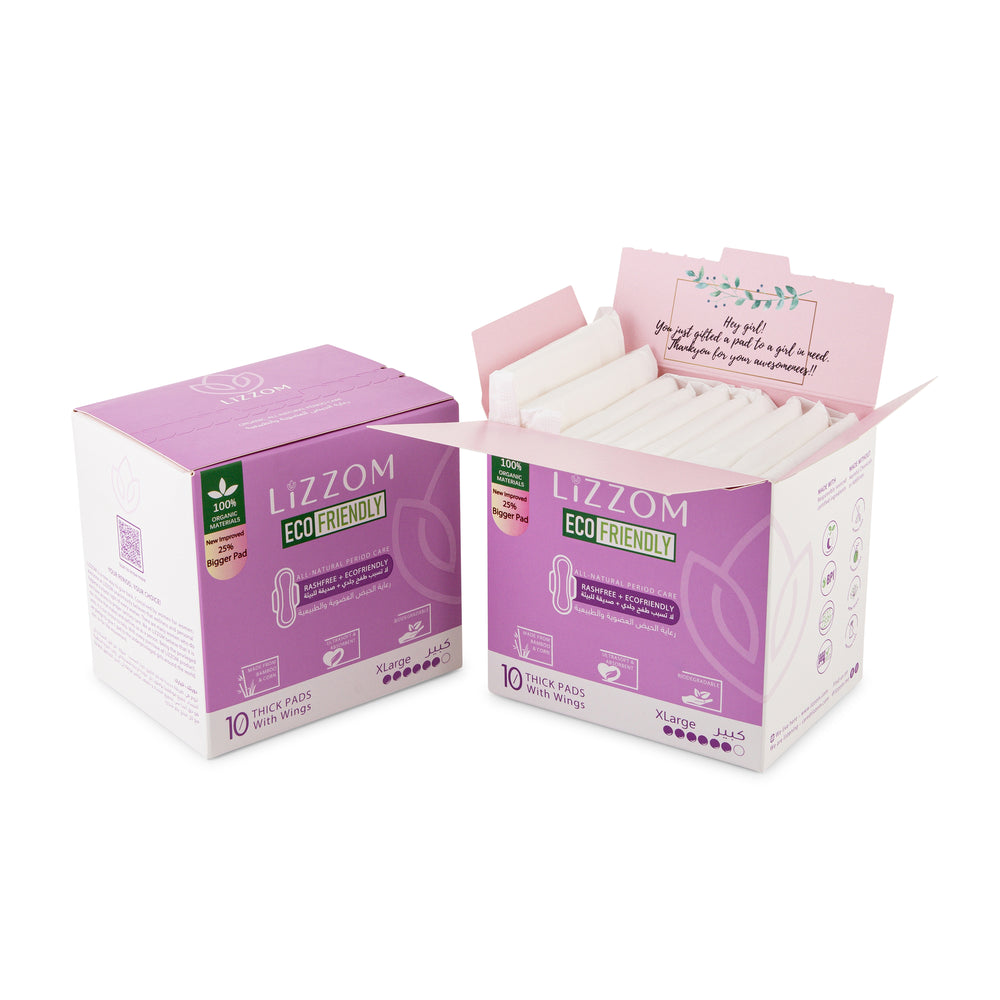

LiZZOM Thick Organic Pads, XL
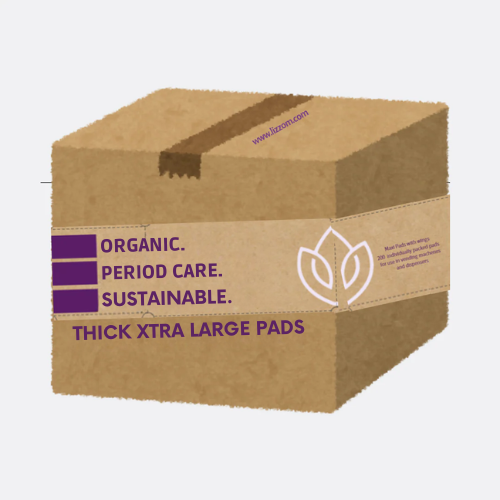
Bulk refills for dispensers, vending machines and washroom baskets. The same organic pads we sell at retail, by the case.
- ✓ Free 7-day trial for workplaces
- ✓ Installed across the UAE
- ✓ Organic pad refills delivered
- ✓ VAT invoice, bank transfer or card
Who this is for
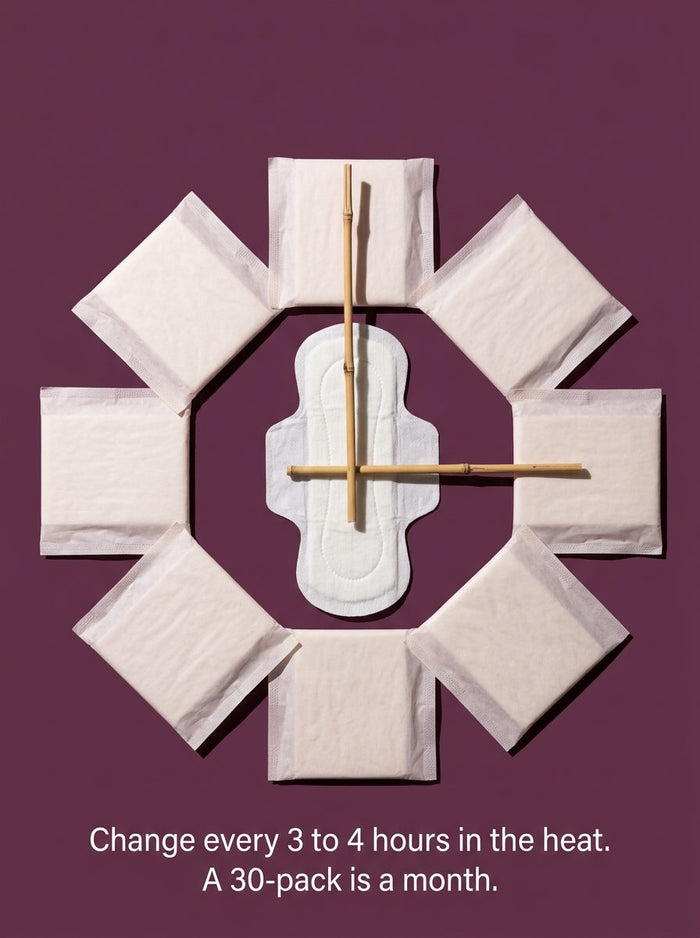
Offices, schools, clinics, hotels and venues that stock washrooms. A case of 200 works out at about AED 2 per pad. Ultrathin Large for day dispensers, thick Large and XL for longer shifts and boarding schools, applicator tampons where a mixed dispenser is installed.
Specifications
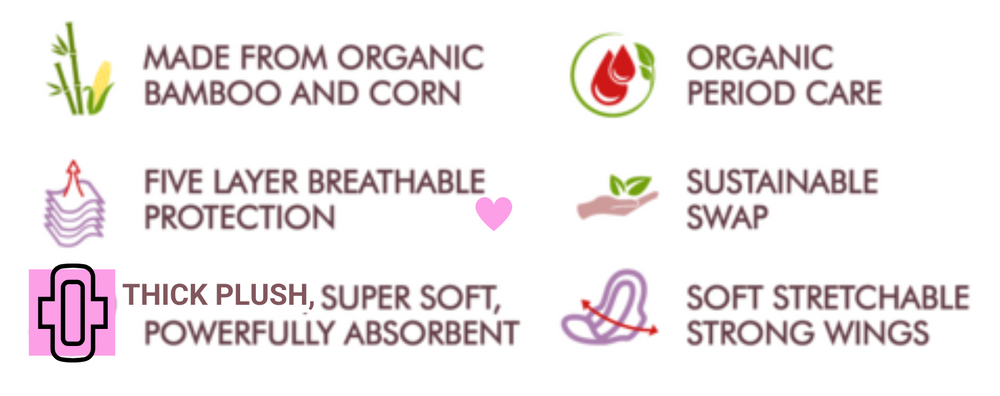
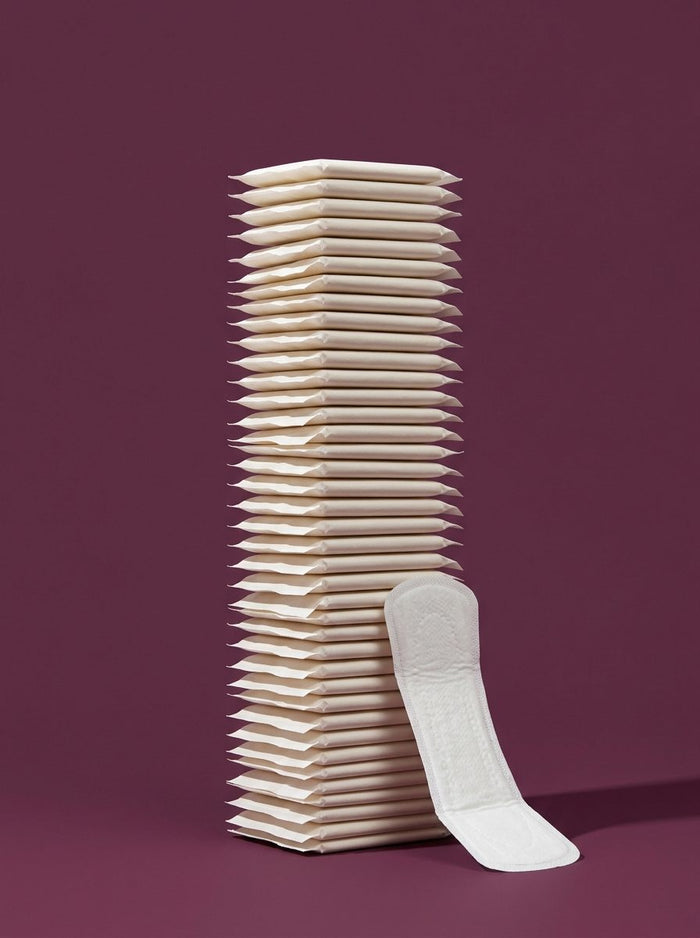
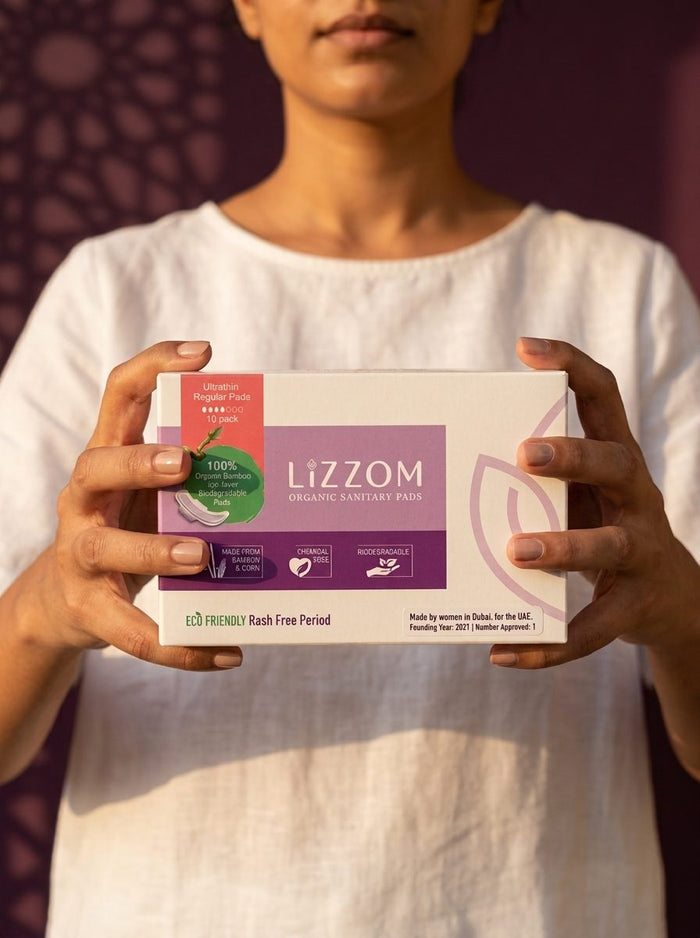
Each case contains 200 pads (20 packs of 10 pads each), making it perfect for bulk usage, dispensers, and vending machines. The pads feature a super-soft organic bamboo top sheet that is highly absorbent and breathable, along with a leak-proof biodegradable corn starch plastic bottom layer for reliable protection.
LiZZOM pads are unscented, hypoallergenic, chlorine-free, and dermatologically tested, ensuring they are gentle on sensitive skin and free from harmful chemicals, fragrances, and GMOs. The five-layer breathable design offers odor-free, rash-free comfort while maintaining maximum absorbency.
By choosing LiZZOM, you are making a healthier choice for yourself and a better choice for the environment. For every LiZZOM pack purchased, one pad is donated to a girl in need, helping create a positive social impact.
Bulk and institutional orders: care@lizzom.com · 056 317 5071. Free 7-day trial for schools and offices in the UAE.
Ordering, delivery and installation
Order online or ask for a quote. Delivery across the UAE in 2 to 5 working days; wall units mount with adhesive or screws and take under an hour, and we can install in Dubai and Abu Dhabi. Bulk and multi-site pricing on request. VAT invoices provided. Call 056 317 5071 or use the enquiry form.
Refills
Dispensers and machines take LiZZOM organic pads in 200-count cases at roughly AED 2 per pad, and we can run a scheduled refill plan for you. Sanitary bins come with matching liners.
Period care for your washroom, done properly
Dispenser, refills and bins from one Dubai supplier.
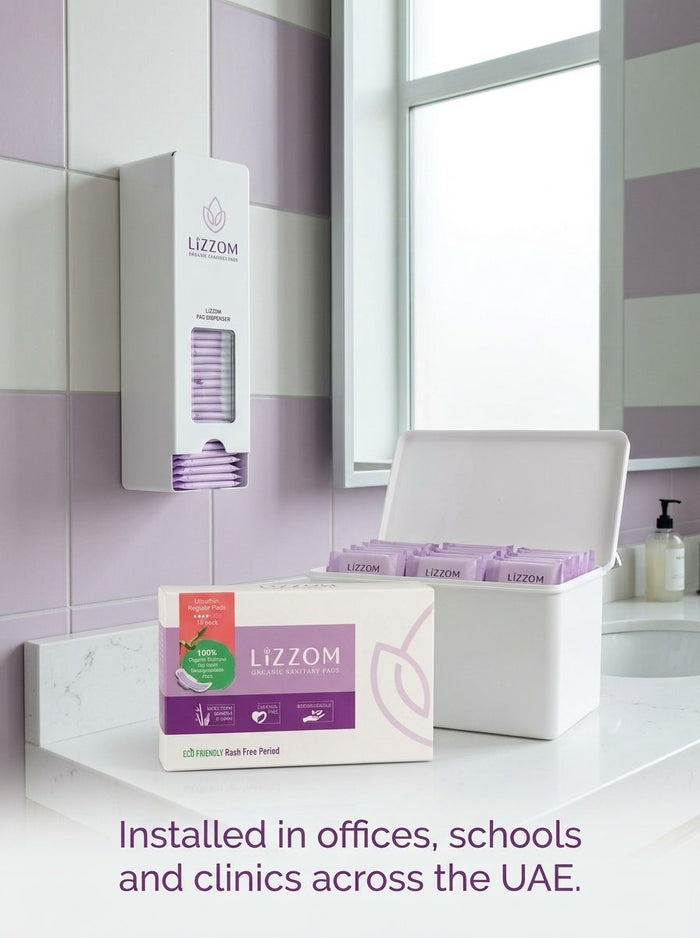
For workplaces and schools
Try it in your washroom for seven days. Free.
We install, you watch it get used, then decide. Most sites keep it.
Questions facilities managers ask
How does the free trial work?
We install a dispenser or place a machine at your site for seven days with a starter supply of pads, at no cost. At the end you keep it and pay, or we collect it. Most sites keep it.
Do the units need power or plumbing?
Manual dispensers need neither and mount with adhesive tape or screws. Motion-sensor, RFID and QR machines need a standard socket within cable reach. Nothing needs plumbing.
What do refills cost?
LiZZOM organic pads in cases of 200 work out at roughly AED 2 per pad. For a 50-person office with about 25 women, most employers spend a few hundred dirhams a month. We can deliver on a schedule.
Can the machine be set to free or paid?
Yes on the vending models: free dispensing for offices and schools, coin, RFID or QR payment for malls, gyms and venues where refills need to pay for themselves.
Do you serve outside Dubai?
Yes. We deliver across all seven emirates and install in Dubai and Abu Dhabi; elsewhere we ship with mounting instructions and support by phone.
Can I get a quote for several sites?
Yes. Send the number of washrooms and sites through the enquiry form or call 056 317 5071 and we will send a quote with VAT the same day.